
Front-End Development
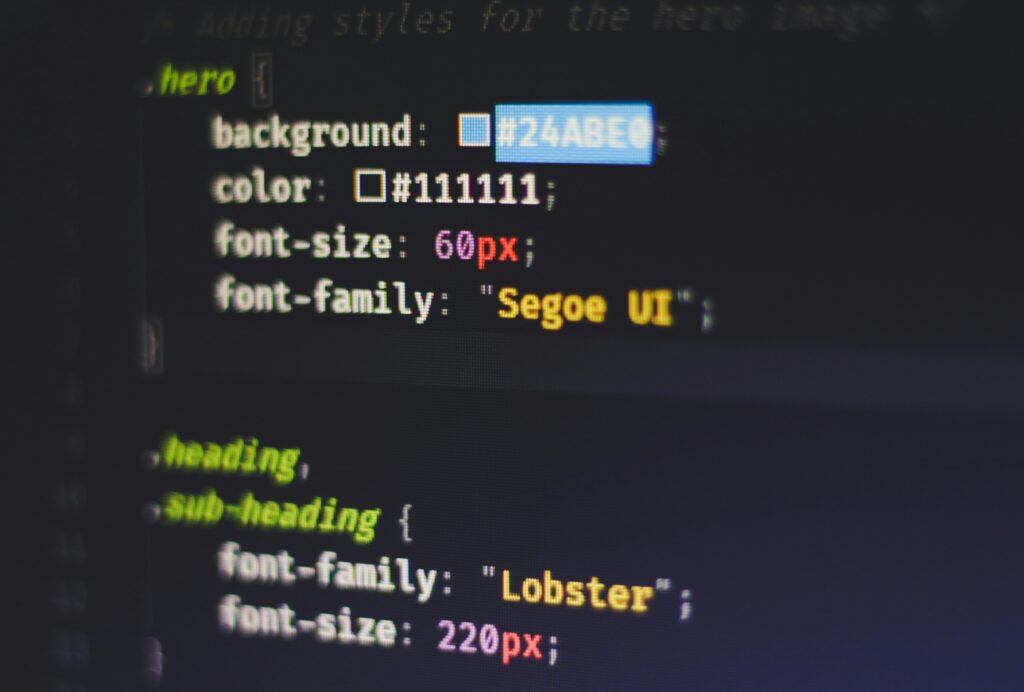
Front-end development is the practice of building the parts of a website or application that users see and interact with. Using languages like HTML, CSS, and JavaScript to create layouts, design interfaces, and ensure a smooth, responsive experience across computers and mobile devices.
Fee: ₦400k ₦380k
Course Overview
Front-end development is the practice of creating the visual and interactive parts of websites and web applications using technologies like HTML, CSS, and JavaScript. It focuses on everything users see, click, and engage with, ensuring websites are fast, responsive, and visually appealing across devices. Unlike traditional design, front-end development brings ideas to life in the browser, combining creativity with technical implementation.
Front-end development opens the door to skills such as UI/UX design, responsive layouts, interactive components, and performance optimization. These skills help developers build seamless user experiences that keep visitors engaged and make websites easy to use. With the right learning path and consistent practice, anyone can become a front-end developer and use it to build real-world projects, support businesses, or launch a tech career.
Duration
3 Months
Course Outline
1. Introduction to Front-End Development
- Understanding the Role of a Front-End Developer
- Overview of Web Technologies (HTML, CSS, JavaScript)
2. HTML Foundations
- Structuring Web Pages with Semantic HTML
- Creating Accessible and Well-Organized Layouts
3. CSS Styling & Layouts
- Styling Web Pages with CSS Selectors and Properties
- Mastering Layouts with Flexbox and Grid
4. JavaScript Basics
- Understanding Variables, Functions, and DOM Manipulation
- Adding Interactivity and Dynamic Behaviors to Pages
5. Responsive Web Design
- Designing for Mobile, Tablet, and Desktop
- Using Media Queries and Fluid Layouts
6. Front-End Frameworks (Bootstrap / Tailwind)
- Building Fast Layouts with Prebuilt Components
- Customizing Themes and Responsive Utilities
7. Git & Version Control
- Managing Projects with Git and GitHub
- Tracking Changes and Collaborating on Code
8. React.js Introduction
- Building Reusable Components and UI Structures
- Managing State and Interactions in React
9. UI/UX Essentials
- Creating User-Friendly and Attractive Interfaces
- Understanding Color, Typography, and Layout Principles
10. APIs & Data Handling
- Fetching and Displaying Data from APIs
- Working with JSON and Asynchronous JavaScript
11. Career Guidance and Job Opportunities
- Career Paths in Front-End Development
- Building a Portfolio, GitHub Profile, and CV
12. Final Project
- Building a Fully Functional Front-End Web Application
- Presenting and Deploying Your Completed Project
Course Objectives
This course is designed to provide learners with a clear understanding of how front-end development works in today’s digital world. Participants will explore the evolution of the web, the core technologies that power modern interfaces, and the role of user experience in shaping how people interact with websites and applications. By the end of this module, learners will understand the essential concepts behind Front-End development for the web—from HTML and CSS to JavaScript and responsive design.
In addition, the course aims to equip learners with the foundational skills needed to create visually appealing, interactive, and user-friendly digital experiences. Students will learn how different tools, frameworks, and development practices come together to build functional interfaces that work smoothly across devices. This introduction sets the stage for deeper learning across advanced front-end topics covered later in the program.
Target Students / Requirements
Target Students
- Beginners who want to start a career in front-end development.
- Tech enthusiasts or entrepreneurs looking to build or improve their own websites
- Students or professionals aiming to develop practical coding and design skills.
- Anyone interested in understanding how modern websites and user interfaces are built.
Requirements
Basic computer and internet skills.
Willingness to learn and practice coding consistently.
No prior programming or development experience required.
They’re watching. Show them nothing but success.
Hustler, student, dreamer or simply done relying on luck? Tech can flip your story. And we’ll guide you there.